Best gaming PC for League of Legends (2026)
For League of Legends, we'd build the CREATE TRINITY at £2,343 (RTX 5060 Ti 16GB) for high-refresh 1080p, up to the CREATE ORACLE at £3,297 with RTX 5070 Ti 16GB for 4K with everything on. Prefer to build it yourself? The component tiers are further down, where an RTX 5050 is the sensible floor.
The PCs we'd actually build for League of Legends
These are real machines from Create PCs, the UK builder we run, ordered cheapest first, £2,343 to £3,297 depending on the resolution and frame rate you're targeting. Specifications and prices are live, and each link lands on that exact build.
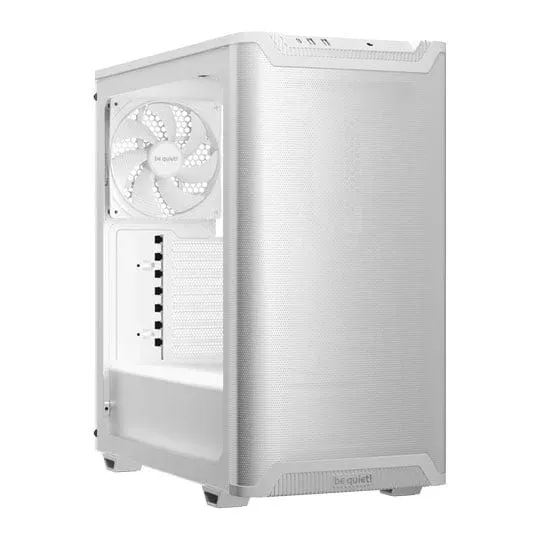
CREATE TRINITY
Mid
- CPU
- AMD Ryzen 5 9600X 6 Core AM5 CPU/Processor
- GPU
- Palit NVIDIA GeForce RTX 5060 Ti INFINITY 3 16GB Blackwell Graphics Card
- RAM
- Corsair Vengeance Grey 32GB 6000MHz DDR5 Dual Profile Memory Kit
- Storage
- WD Black SN850X 1TB M.2 PCIe 4.0 Gen4 x4 NVMe SSD PC/PS5
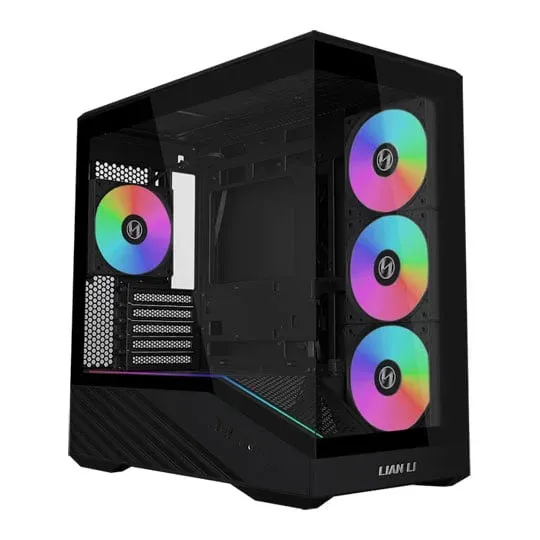
CREATE NR200P
Mid-high
- CPU
- Intel 20 Core Ultra 7 265 Desktop CPU/Processor
- GPU
- PALIT NVIDIA GeForce RTX 5070 Ti 16GB GamingPro-S Blackwell Graphics Card
- RAM
- Corsair Vengeance Grey 32GB 6000MHz DDR5 Dual Profile Memory Kit
- Storage
- Sandisk Black SN850X 2TB M.2 PCIe 4.0 Gen4 x4 NVMe SSD PC/PS5
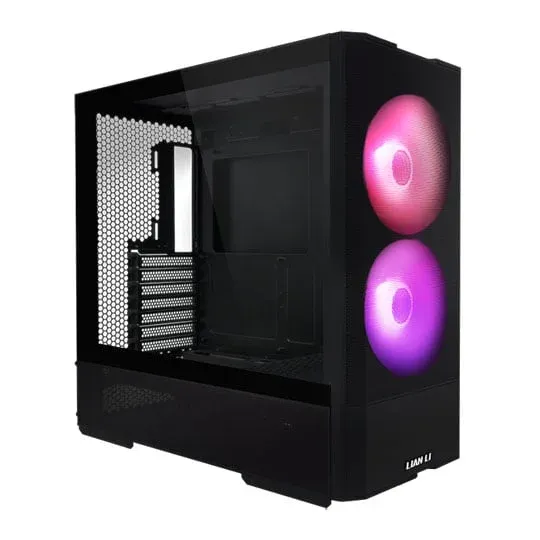
CREATE ZION
Mid-high
- CPU
- AMD Ryzen 5 7600X 6 Core AM5 CPU/Processor
- GPU
- ASUS ROG STRIX NVIDIA GeForce RTX 5070 Ti OC Blackwell Graphics Card
- RAM
- Corsair Vengeance Grey 32GB 6000MHz DDR5 Dual Profile Memory Kit
- Storage
- Sandisk Black SN850X 2TB M.2 PCIe 4.0 Gen4 x4 NVMe SSD PC/PS5
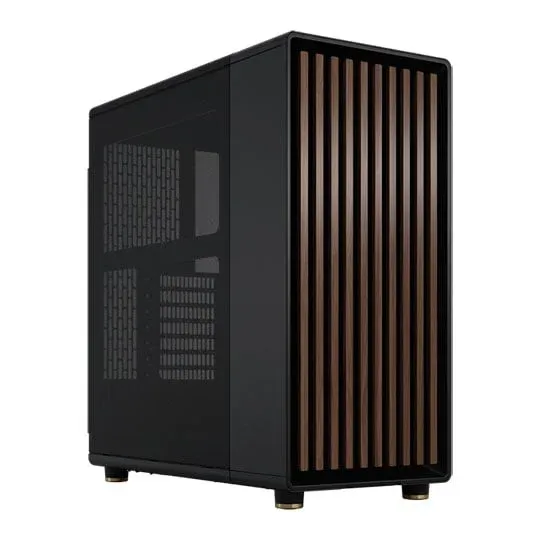
CREATE ORACLE
High-end
- CPU
- AMD Ryzen 7 7800X3D 8 Core AM5 Zen4 3D V-Cache PCIe 5.0 CPU/Processor
- GPU
- PALIT NVIDIA GeForce RTX 5070 Ti 16GB GamingPro-S Blackwell Graphics Card
- RAM
- Corsair Vengeance Grey 32GB 6000MHz DDR5 Dual Profile Memory Kit
- Storage
- WD Black SN8100 2TB M.2 NVMe PCIe 5.0 NVMe SSD / Solid State Drive
Prices from Create PCs, the UK builder we run, and include VAT. They're the price shown on arrival, not a teaser, but components get repriced, so treat them as current rather than fixed. Custom-built machines start around £2,400; below that a self-build is usually the better answer, and we say so on our budget guides.
What to expect at each resolution
- 1080p Very High
- 300+ FPS
- RTX 5050 or 5060
- 1440p Very High
- 240+ FPS
- RTX 5060 Ti
- 4K Very High
- 144+ FPS
- RTX 5070
What League of Legends actually demands from your PC
League of Legends isn't sold on Steam, so there's no Steam-published requirements table to quote. The picks above are based on real-world performance and comparison with similar titles rather than a publisher spec sheet.
What makes League of Legends more demanding than its spec sheet suggests: esports title, runs on anything modern. We've factored this into the tier picks above.
GPU-bound title: Framerate scales directly with GPU power. If you have a fixed budget, prioritise the graphics card and accept a mid-range CPU.
What you can skip vs what matters
- Worth spending on: GPU first, then a fast NVMe SSD (most modern games benefit from sub-3000MB/s sustained reads), then RAM at the tier amount.
- Worth skipping at this budget: RGB lighting, exotic cooling, brand-name PSUs above 850W (unless you're building enthusiast tier), and motherboards with more than 4 M.2 slots.
- Don't compromise on: The PSU. A reliable 750W gold-rated unit will outlast two GPU upgrades.
Frequently asked questions
- What's the minimum gaming PC for League of Legends?
- A modern entry-level gaming PC with a current-generation midrange GPU will run League of Legends at 1080p high settings.
- Is League of Legends CPU-heavy or GPU-heavy?
- League of Legends is primarily GPU-bound. Prioritise the graphics card; a mid-range CPU like the Ryzen 5 7600 will keep up at 1080p/60.
- Do I need ray tracing for League of Legends?
- League of Legends does not require ray tracing. Any current-generation GPU will deliver the intended visual experience.
- How much RAM do I need?
- For League of Legends, 32GB is the sensible answer in 2026. 16GB still works for the budget tier but limits future-proofing.